




























Okay, so check this out—wallets on Solana are weirdly personal. Wow! They sit in your browser, in a tiny corner, and yet they guard valuable NFTs and tokens. My instinct says the UX matters as much as the security. Seriously?
For a lot of people, a wallet is just a place to hold things. Short term, maybe. Medium term, you want control and clarity. Long term, you want something that doesn’t surprise you at 2 a.m. when gas spikes or a site tries to do somethin’ shady—because yes, that happens and it stings. On one hand you want frictionless minting and easy swapping; on the other, you need strong guardrails so you don’t click the wrong permission and lose an asset. Hmm… it’s a tradeoff that every extension balances differently.
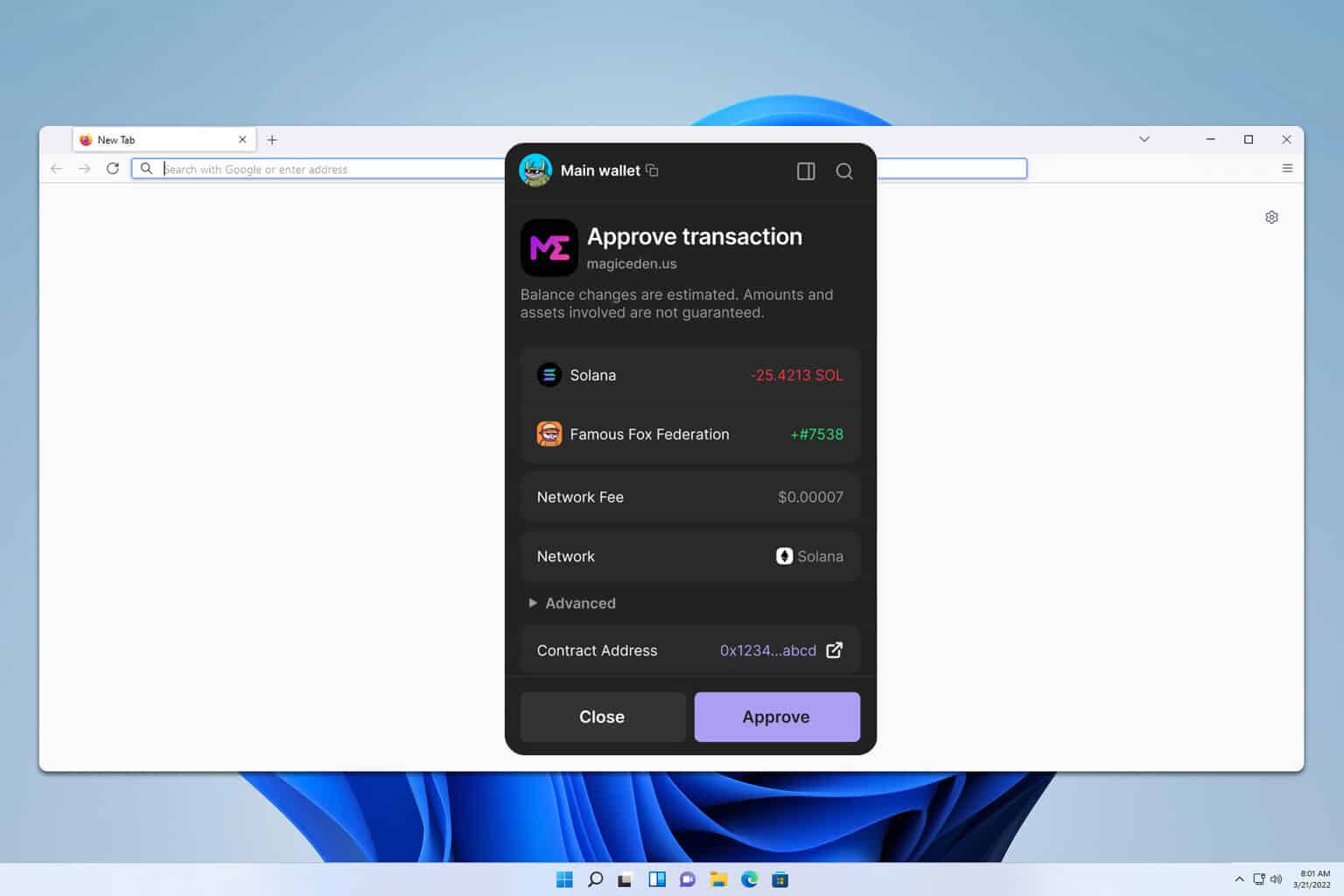
Let’s be practical. Whoa! Pick a wallet that gives you clear permission prompts. A good wallet separates signing from giving access. Many wallets dump a blob of JSON and expect you to choose. That’s confusing. In other words, less cryptic jargon—more plain language—helps stop mistakes.
What to look for in an NFT-focused Solana browser extension
First: clear transaction details. Wow! You should see token names, not just raw addresses. Medium-level apps translate that data into human terms. Longer thought: when the wallet can show you a friendly name, the exact SPL token, and an estimated fee, you can make informed decisions, and that reduces accidental approvals that lead to lost assets.
Second: permission scoping. Really? Yes. Ask whether the extension asks blanket permissions like “access your wallet anytime.” Avoid those. Instead find a wallet that asks to sign each action explicitly. I’m biased toward wallets that make daily operations obvious. (Oh, and by the way, read the permission text—don’t skip it.)
Third: NFT display and metadata. A decent wallet will render your NFTs with proper metadata so you can see images and traits. This is helpful for collectors who juggle dozens of items. Also very very important: provenance info—where the NFT came from—should be visible or linked.
Lastly: cross-device recovery. Whoa! Recovery is the cornerstone. Whether it’s a seed phrase or a hardware-key pairing, make sure your backup method is resilient and understandable. A confusing recovery flow can leave you locked out. On reflection, the easiest wallets to use are often the worst at recovery, so double-check before moving a prized piece.
Why extensions like phantom wallet get traction
I won’t pretend everything is perfect. Hmm… but some extensions nail the balance between simplicity and control. They integrate with major marketplaces, show readable prompts, and have active development communities. That’s attractive. Initially some folks thought a browser wallet should be ultra-minimal; then they realized minimal often equals ambiguous, and ambiguous equals risky.
Phantom has become a go-to for many because it leans into a clean UI while exposing meaningful transaction details. If you want to try it, you can get the phantom wallet extension and follow the normal store-based install flow. But pause—installing an extension is only one part of the safety puzzle. Verify the extension source in the official Chrome or Firefox web store, check the publisher, and read recent reviews.
Security tip: use a hardware wallet for high-value NFTs. Seriously, if a piece is worth thousands, keep the signing key off the web as long as possible. That may feel clunky, though actually it’s a small inconvenience for big protection.
Another practical thing—backup those seed phrases. Wow! Store them offline. Paper, metal plate, safe deposit box—whatever works for you. Avoid screenshots or cloud notes; they leak. My quick take: assume loss is possible, so plan for it deliberately.
Daily habits that save you from dumb mistakes
Slow down before you sign. Really slow down. A lot of losses come from reflexive clicks during hype drops. Wait three seconds. Read the action. Confirm the recipient. If somethin’ looks off, stop. That pause is worth more than a speed mint.
Use separate wallets for different tasks. Whoa! A collector wallet, a minting wallet, a trading wallet—splitting responsibilities reduces risk. Also, set small spending limits or temporary session approvals when possible.
Keep extensions updated. A patch might fix a UI trick that attackers exploit. On one hand auto-updates are convenient; on the other, you might want to monitor changelogs if you’re security-conscious. Though actually, for most users, enabling updates is the safer bet.
FAQ
Q: Is a browser extension safe for high-value NFTs?
A: Short answer: not by itself. If you care about high-value items, pair the extension with a hardware wallet or use cold storage. Browser extensions are convenient, and many are secure for day-to-day use, but threats like phishing and malicious sites target extensions specifically. So treat the extension as a convenient storefront companion, not the vault.
Q: How can I tell if an extension is legit?
A: Check the developer name in the extension store, read recent user reviews, and confirm community chatter on reputable forums. If possible, find an announcement on the project’s official channels. Also watch out for lookalike names and tiny typos in publisher IDs—those are often signs of copycats.